Acoustics and Overheating – Building Regulations Approved Document O
The Building Regulations Approved Document O ‘Overheating’ (AD-O) came into effect in England in June 2022. It introduces requirements for residential premises to limit unwanted solar gains in summer and provide an adequate means to remove heat from the indoor environment to prevent overheating. The regulations also require that account must be taken of the safety of an occupant and their reasonable enjoyment of the residence. Means of removing excess heat include:
- Opening windows
- Ventilation louvres in external walls
- A mechanical ventilation system
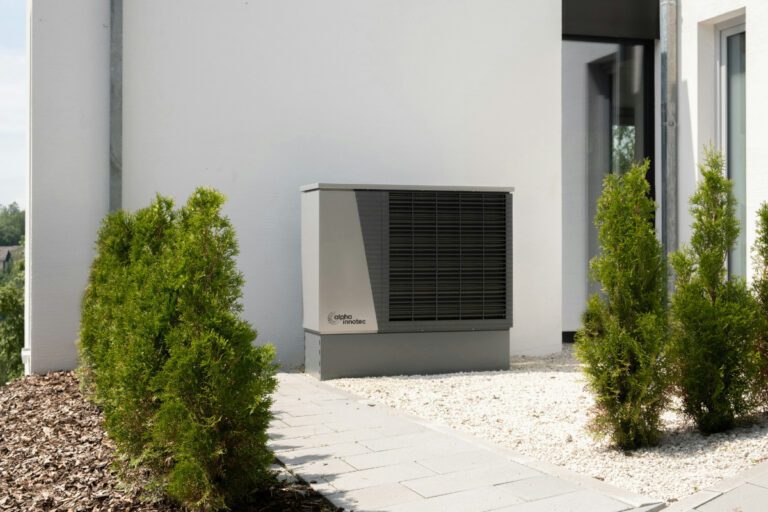
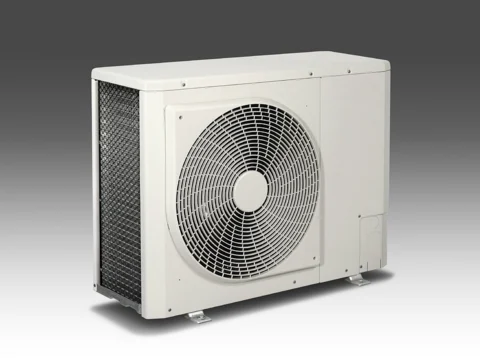
- A mechanical cooling system
It is, however, advised that mechanical cooling may only be used where sufficient heat cannot be removed adequately from the indoor environment by other means. The document also contains requirements relating to other matters, including noise, advising that when relying on opening windows to remove excess heat noise levels within bedrooms at night should not exceed stipulated limits, as follows:
- 40dB LAeq,T, averaged over 8 hours (between 11pm and 7am).
- 55dB LAFmax, more than 10 times a night (between 11pm and 7am).
What does this mean for development?
A simplified method of demonstrating compliance is outlined based upon the site location (“moderate risk” in most of England, or “high risk” in much of London and parts of central Manchester), the presence of cross-ventilation and the ventilation free area. Based on typical assumptions necessary to satisfy the air flow requirements, the sound reduction for window openings is likely to be 4 dB for ‘high’ risk locations and 9 dB for ‘medium’ risk locations. This implies that in a “high risk” location where the external free-field sound level exceeds LAeq,8hr 44dB at night, or the LAF,Max exceeds 59dB – or 5dB more for “moderate risk” areas – then the simplified method cannot be used and dynamic thermal modelling is likely to be required to demonstrate compliance. For many urban areas or where properties are near to transport routes, it is likely that these noise levels may be exceeded across or in parts of the development.
The implications of AD-O are therefore significant for developers and their designers. Whilst Building Regulations are not necessarily a material consideration in any planning determination, the issue of ventilation and overheating and the means of achieving appropriate thermal and acoustic comfort is one that may affect the fundamental approach to scheme design and is likely to require extensive consideration throughout, from initial scoping and planning stages through to detailed design. Furthermore, the requirement may potentially impact residential schemes where noise might not otherwise have been identified as a potential constraint, or have required assessment for planning purposes.
Contact us, so that we can help you to achieve good acoustic design and ensure compliance with the Building Regulations.